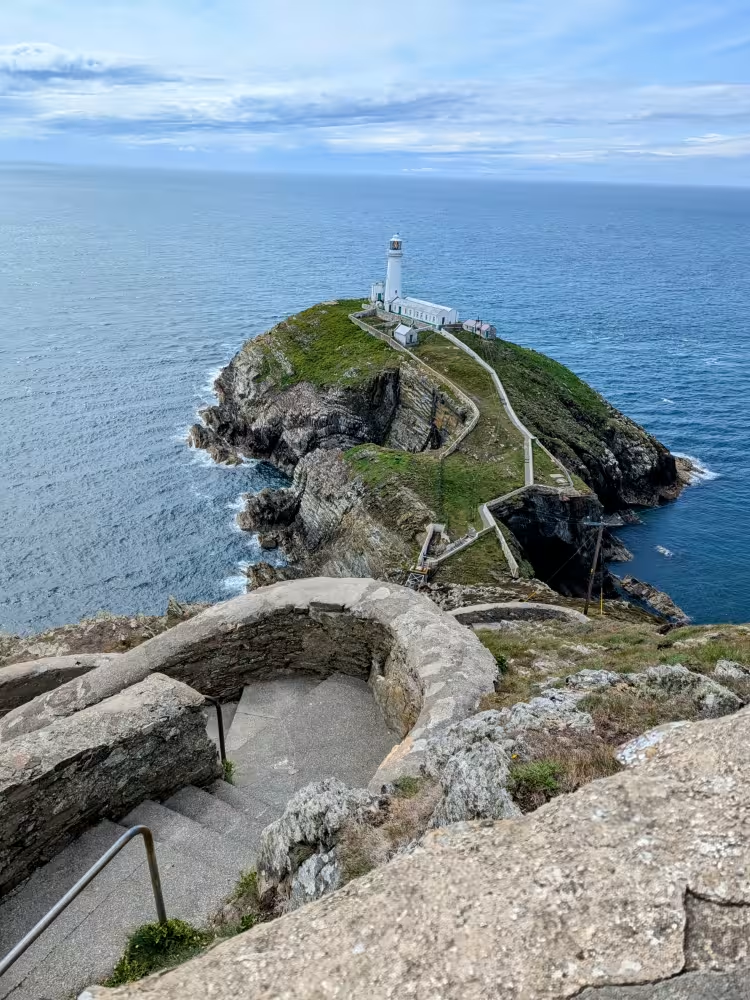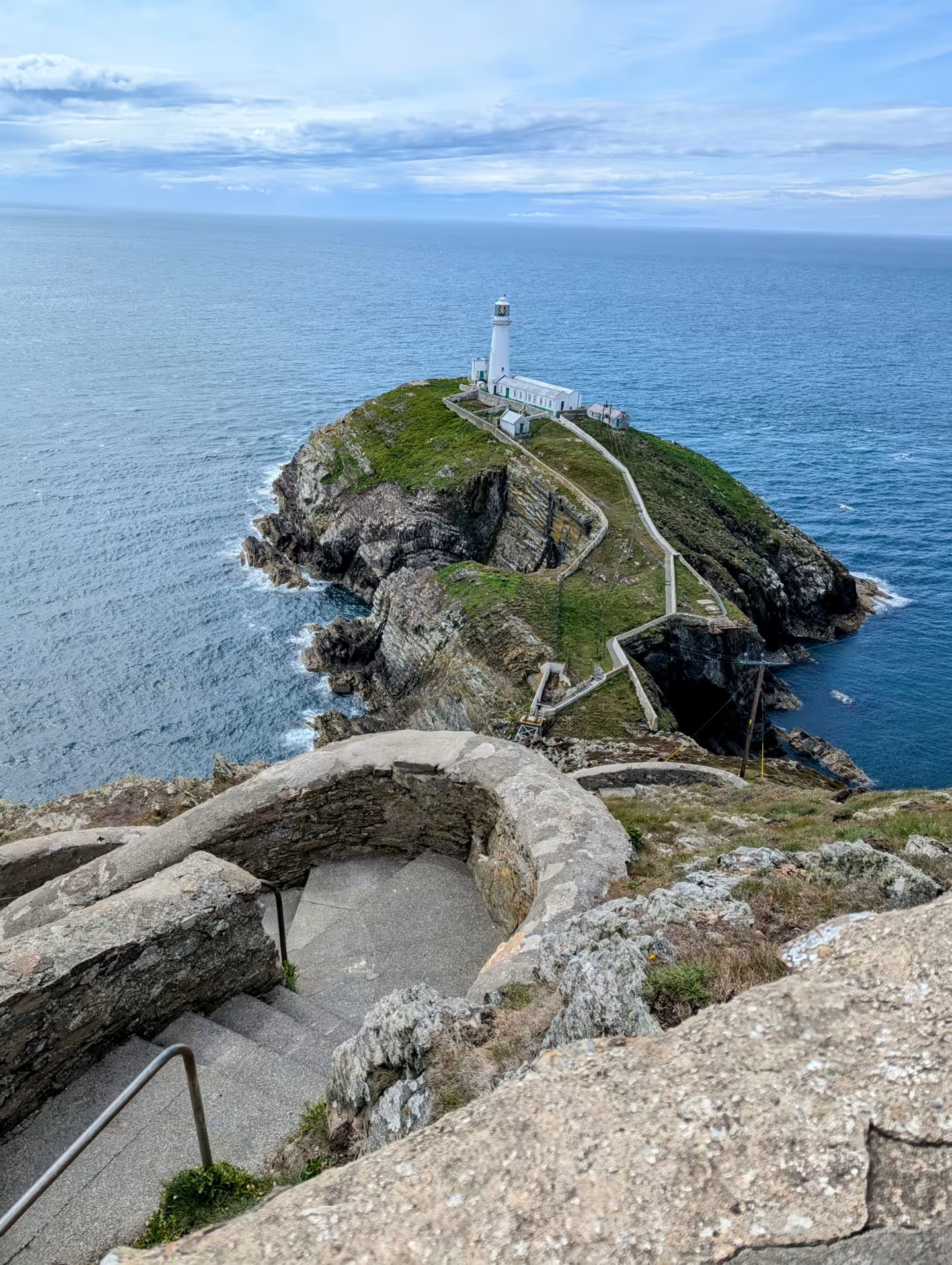
South Stack is a headland off the coast of Anglesey with a long history and dramatic scenery. Its story runs from ancient human settlements to its famous lighthouse.
Ancient and Medieval Times
People lived around South Stack long before the lighthouse or tourism. Archaeological finds show that early humans settled here in the Neolithic period. Over the centuries the headland was important for sea trade and navigation, and in the Middle Ages its rocky shore made a natural lookout.
The Lighthouse
The lighthouse was designed by the civil engineer Daniel Alexander and built in 1809. It guided ships through the waters around the headland, which were known to be dangerous.
In 1984 the lighthouse was automated, so it no longer needed a keeper living on site. That brought in newer maritime technology and started a new chapter for a lighthouse that had been working since 1809.
South Stack in World War II
South Stack was important for defence in World War II. Coastal defences and lookout points were built on the headland to protect the area, and the cliffs gave both natural protection and a good view of any enemy movements offshore.
Wildlife
As well as its history, South Stack is a Site of Special Scientific Interest (SSSI). It's home to a wide range of plants and animals, including seabirds that nest on the steep cliffs, and several conservation programmes protect it as a wildlife haven.
Visiting Today
Visitors come for the scenery, the lighthouse and the walking trails, and it's popular with photographers and nature lovers for its mix of landscape and history.
South Stack is a symbol of Wales's maritime heritage. It drew people to settle here in ancient times and draws visitors now. The cliffs are dramatic to look at, and they tell a story of how people have lived alongside the sea. Whether you come for the history, the wildlife or the views, it's well worth the trip.