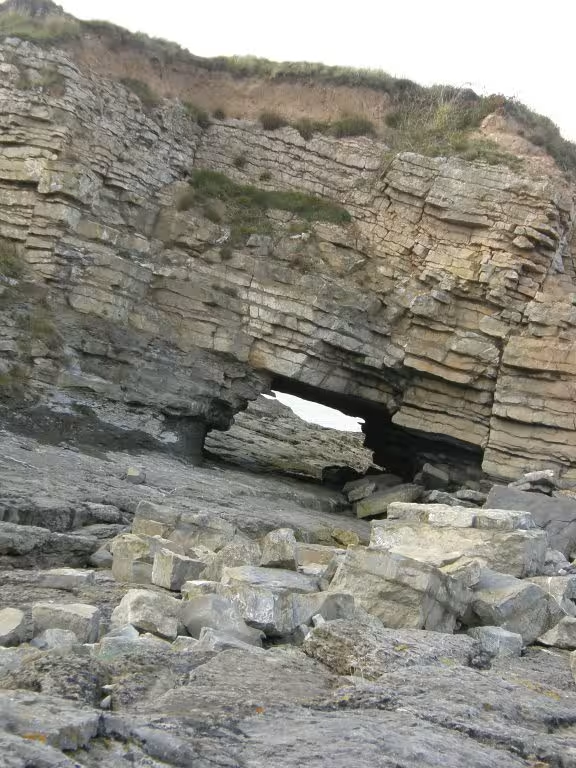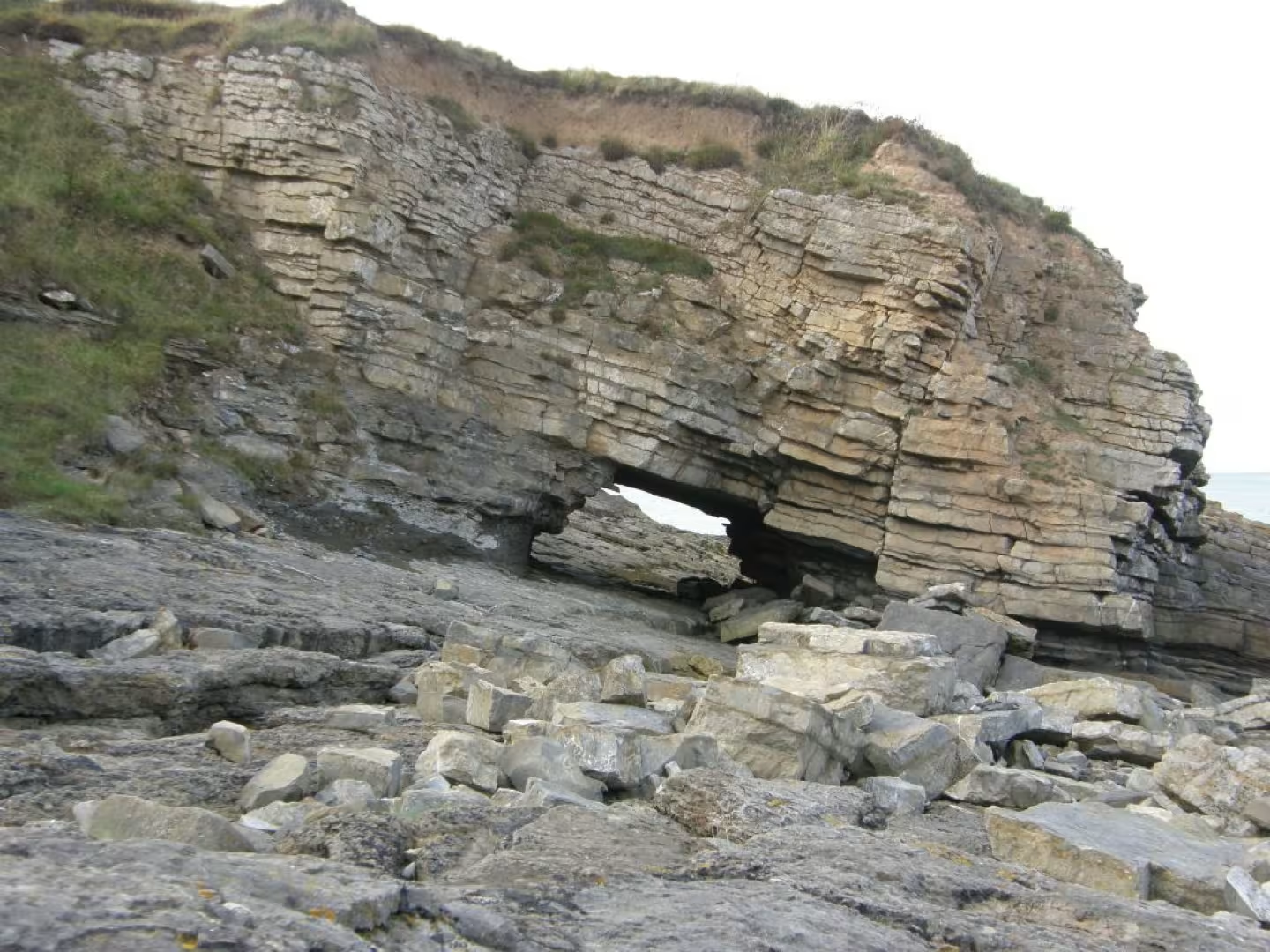
The Isle of Anglesey, off the coast of North Wales, is one of just 229 UNESCO Global Geoparks in the world, which puts it among the most geologically important places on Earth. The island's rocks hold an outstanding record of its geological history.
What is a UNESCO Global Geopark?
A UNESCO Global Geopark is a place with geology of international importance that is also managed for conservation, education and sustainable development. There are only 229 of them across 50 countries, and to become one a site has to meet strict requirements and show geology of global importance.
A Geological Time Machine
So why Anglesey? The island's rocks record dramatic changes over an immense span of time. In just 276 square miles you can see traces of ancient deserts, tropical coral seas, volcanic eruptions and huge ice sheets.
The 125-mile coastal path around the island gives unusually good access to all of this. More than 100 types of rock along the route record continents colliding and breaking apart, climates very different from today's mild one, and the forces that shaped the landscape you see now.
Anglesey also has some of the oldest fossils in Wales and England. They are evidence of some of the earliest, simplest life on Earth, which makes the island important to scientists and amateur geologists alike.
Living Landscapes and Human Heritage
You don't need to be a geologist to see how varied the island is. The strange "pillow lavas", volcanic rock shaped into huge stone pillows, are the remains of prehistoric eruptions under the sea. Industry is part of the story too: Parys Mountain near Amlwch was once the world's largest copper mine.
What sets UNESCO Global Geoparks apart from other geological sites is that they connect the science to local culture and the environment. On Anglesey, the visitor centre, educational resources and trail guides are run by the local organisation GeoMôn.
A walk along Anglesey's coast puts you in direct contact with rocks formed over an immense stretch of time. Whether you're there for the science or just to stand where ancient continents collided, it's a rare chance to walk through the Earth's past.